JOURNAL
The Molecular Guide to Pigmentation Brightening: Tyrosinase Control
The Science of Molecular Brightening: Eradicating Hyperpigmentation at the Root
Hyperpigmentation, melasma, and age spots represent some of the most stubborn dermatological challenges. Skin exposed to intense annual sun radiation naturally overproduces melanin (the pigment responsible for skin color) in response to UV exposure, hormonal shifts, stress, or post-inflammatory trauma (PIH).
Searching for "how to brighten dark spots on face" often leads to overly aggressive remedies: harsh chemical peels or high-concentration acids. However, the pitfall of forceful exfoliation is that it triggers micro-inflammation—which re-activates melanocyte cells, causing pigment to return with greater intensity (the rebound effect).
Over 25 years of formulation development, I learned that the secret to safe, lasting brightening lies not in scrubbing the spot off the surface, but in quiet, molecular inhibition of the melanin synthesis pathway deep within the dermis. In this article, we will deconstruct how hyperpigmentation forms and how to achieve an even, luminous complexion.
The Biological Pathway: The Tyrosinase Enzyme
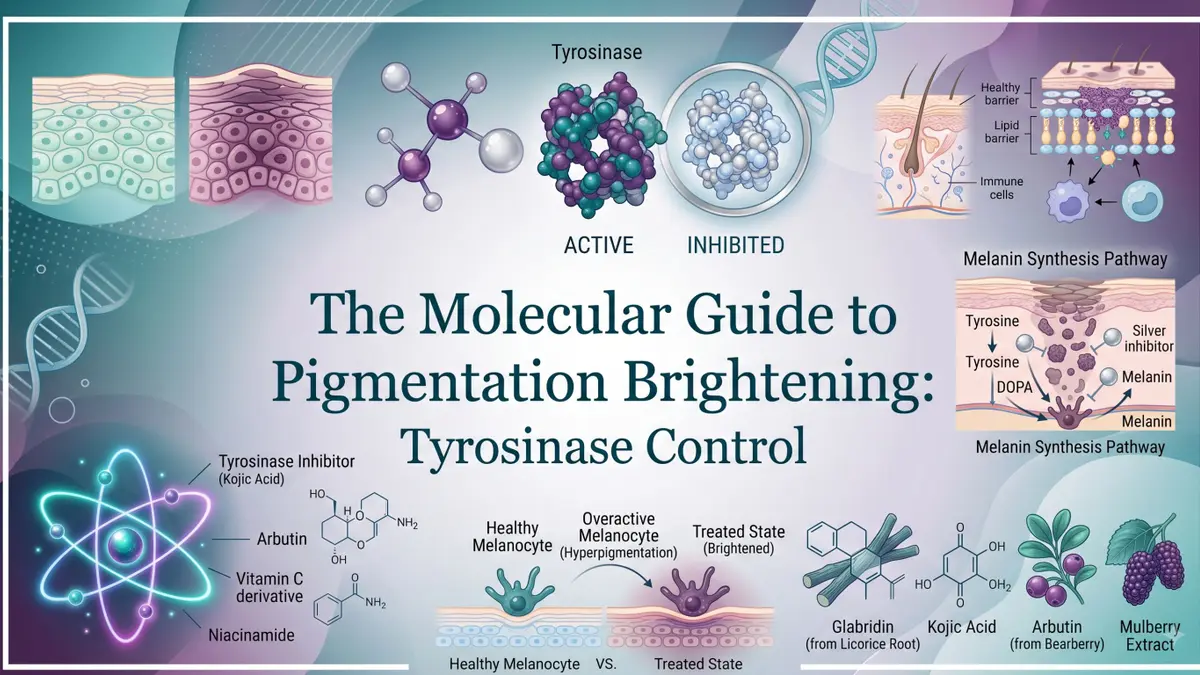
Every dark spot visible on the surface is the end-product of a chemical cascade occurring inside specialized cells called Melanocytes. When triggered by UV radiation, cortisol, or hormonal shifts, the melanocyte activates a crucial enzyme: Tyrosinase.
Tyrosinase converts the amino acid tyrosine into melanin pigment. Melanin is then packaged into tiny vesicles (melanosomes) and transported upward through keratinocytes until it settles on the skin surface as a visible dark patch.
The Molecular Solution: Quadruple-Action Tyrosinase Inhibition
To erase existing hyperpigmentation and halt future spot formation, advanced molecular formulas combine a synergistic active complex:
Direct Tyrosinase Inhibition: Utilizing natural Kojic Acid, Licorice Root extract, and stable Vitamin C derivatives. These actives molecularly "block" the Tyrosinase enzyme, halting new melanin production deep in the tissue.
Blocking Melanin Transfer (Niacinamide): Clinical-grade Niacinamide prevents melanosome vesicles from transferring from melanocytes into surrounding epidermal cells, blocking pigment from reaching the surface.
Controlled Surface Exfoliation (AHAs): Calibrated Glycolic and Lactic acids gently dissolve dead, pigmented surface cells, accelerating cell turnover to reveal fresh, luminous tissue.
Potent Antioxidants (Glutathione & 24K Gold): Oxidative stress triggers melanocytes. Powerful antioxidants neutralize free radicals, keeping pigment-producing cells in a state of physiological tranquility.
The Brightening Layering Protocol
Physiological Preparation: Cleansing with a gentle AHA-infused wash to remove cellular debris.
Concentrated Molecular Brightening Serum: Infusing a serum packed with Vitamin C, Glutathione, Kojic Acid, and brightening peptides.
Brightening Lock & Nourishment: Applying a rich brightening day cream formulated with cold-pressed botanical oils to nourish and seal active compounds deep within the skin.
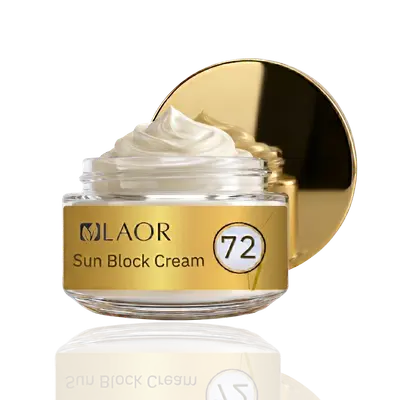
Absolute Dual Sun Shielding: Mandatory! No brightening regimen succeeds without combining a broad-spectrum chemical sun block with an outer smart mineral shield to prevent pigment recurrence.