JOURNAL
Truly Natural Cosmetics: What 25 Years of Formula Development Means | LAOR Care
In a world where shelves are overcrowded with flashy promises, the term natural cosmetics has become one of the most widely used and coveted phrases in the modern beauty industry. Countless consumers search for plant-derived solutions, wishing to grant their facial skin a pure, safe, and toxin-free treatment. But what truly makes a formula natural? Can any plant grown in the soil genuinely alter the architecture of your skin, or is it merely a sophisticated marketing manipulation?
As someone who has developed formulations and lived within the world of advanced dermatology and cosmetics for over 25 years, I have seen trends come and go, promises fade, and technological breakthroughs redefine boundaries. The definitive conclusion I have reached after a quarter-century of laboratory research and development is that real results do not stem from a single ingredient or a hollow marketing slogan. Truly natural cosmetics are not a lazy retreat into the past, but rather an advanced engineering feat that bridges the wisdom of nature with precise molecular science. In this article, I will take you behind the scenes of formulation development and expose how to distinguish truth from marketing noise.
What Makes Cosmetics "Truly Natural"?
For a product to be considered genuinely natural, it is not enough to simply drop a botanical extract into a cheap synthetic base. The true challenge in developing premium natural formulations is creating an entire complex where every single component—from the liquid base and solubilizers to the preservative system—is derived from clean botanical, organic, or advanced bio-technological sources.
Throughout my 25 years of research, I have realized that nature provides an incredibly sophisticated laboratory. However, for the skin to read these ingredients, they must undergo molecular refinement. Raw botanical materials in their crude form often contain oversized molecular structures or potential allergens. Authentic natural cosmetics isolate only the most potent polyphenols, antioxidants, and fatty acids, presenting them to the skin in an optimal concentration and a molecular weight capable of crossing the skin barrier. The objective is not merely to "apply nature," but to establish a physiological synergy where the skin recognizes the ingredient as an extension of itself, using it to dynamically rebuild collagen and elastin.
The Greenwashing Trap: How to Identify a Marketing Fake
One of the greatest challenges facing the modern consumer on Google is a clinical-marketing phenomenon known as "Greenwashing." Many companies exploit the lack of rigid, uniform regulation around the word "natural." They design packaging in earthy green and brown hues, decorate them with illustrations of leaves, and highlight a single ingredient like "Argan Oil" or "Aloe Vera extracts," while 95% of the remaining formula consists of industrial chemicals, silicones, mineral oils (petroleum byproducts), and parabens.
How can you spot this yourself? The truth is always found on the back of the packaging—within the Ingredient List (INCI). Here are a few golden rules I have gathered over the years in the lab:
The Order of Ingredients Matters: Ingredients are listed in descending order by concentration. If a heavily marketed natural ingredient appears at the very bottom line, it means its presence is negligible (often less than 1%).
The Product Base: In many commercial products, the primary ingredient is standard distilled water (Aqua). In advanced natural formulations, we replace this water with active botanical juices or medicinal plant hydrosols to deliver therapeutic value from the very first drop.
The Presence of Mineral Oils and Silicones: Look for words such as Mineral Oil, Petrolatum, Paraffinum Liquidum, or suffixes like Dimethicone. These ingredients create a temporary illusion of smooth skin, but they actually suffocate the epidermis, block cellular respiration, and prevent high-performance active ingredients from penetrating.
Natural Ingredients That Genuinely Transform the Skin
Through 25 years of trial, error, and formulation refinement, I have screened hundreds of raw materials to isolate the most powerful botanical actives—those clinically proven to reconstruct the skin barrier. These components serve as the core of our layering methodology:
Essential Fatty Acids and Pure Plant Oils: Cold-pressed oils, such as Evening Primrose, Jojoba, and Borage oil, are packed with Gamma-Linolenic Acid (GLA). They beautifully mimic the skin's natural lipid structure and act as an ideal foundation for deep nourishment, just as implemented in our Brightening Cream 21 to balance hyperpigmentation and lock in moisture.
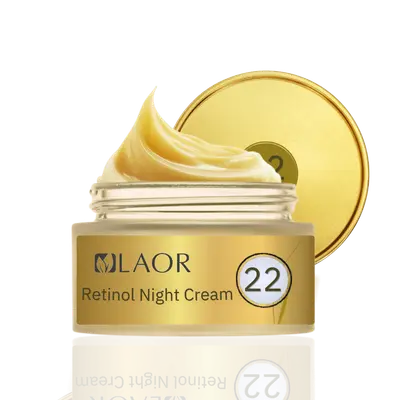
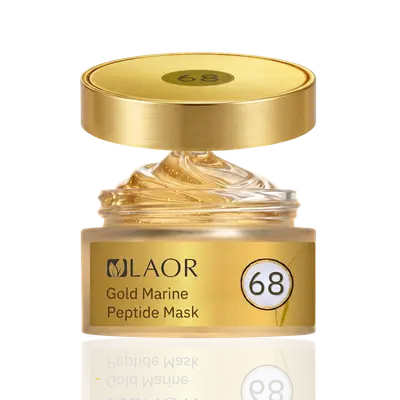
Botanical Peptides and Amino Acids: The fundamental building blocks of structural skin proteins. They send precise cellular signals to fibroblasts to manufacture fresh collagen. Combining them with plant-based retinoids yields potent anti-aging benefits without the chronic irritation of old synthetic alternatives.
Antioxidant and Brightening Plant Extracts: Ingredients like Kojic Acid, Licorice Extract, and stable plant-derived Vitamin C work in molecular synergy to inhibit the tyrosinase enzyme responsible for dark spots. This protocol is concentrated in our signature Brightening Acid Serum 19, which clarifies skin tone while fiercely protecting the epidermal barrier.
Soothing Actives and Microbiome Balancers: For compromised, inflamed, or seborrheic skin conditions, nature offers exquisite soothing molecules that reset physiological pH and lock in hydration, precisely like the calming complex engineered within our Seborrhea Relief Protocol.
Deep Physiological Cleansing: The foundation of any scientific routine begins with the selective removal of impurities without stripping away the skin's vital lipid mantle—a philosophy I poured into the Pure Skin Cleanser 1.
Common Myths: What Natural Cosmetics Can (and Cannot) Do
To maintain professional integrity, it is vital to debunk a few deeply entrenched myths born from a lack of scientific understanding:
Myth 1: "If it's natural, it cannot irritate the skin."
The Reality: This is a critical misconception. Nature is full of highly aggressive, active compounds (think of pure essential oils or raw lemon juice applied directly to the skin). Truly natural cosmetics do not apply raw, wild ingredients as they are. Instead, they engineer them molecularly in a laboratory setting to remove allergens and stabilize pH, ensuring maximum efficacy with minimal irritation.
Myth 2: "Natural products have no shelf life and spoil rapidly."
The Reality: While this used to be true in the past, modern biotechnology has completely rewritten the rules. Today, we utilize fully natural, plant-derived preservative systems that shield formulas against bacteria and mold with total efficacy. This allows for stable, safe, and long-lasting products without introducing parabens or formaldehyde releasers into your body.
Myth 3: "Natural cosmetics are less active than chemical cosmetics."
The Reality: The exact opposite is true. When molecular science meets a botanical active, its penetration capability and impact on target cells far surpass outdated synthetic compounds. Nature provides a chemical complexity so sophisticated that science is only beginning to fully comprehend it, and the results on the ground—especially regarding wrinkles, hyperpigmentation, and inflammation—are significantly deeper and longer-lasting.
Conclusion: The Future of Skincare Lies Between the Lab and Nature
After 25 years of developing formulations, I know that there are no shortcuts. Our facial skin is a complex architectural marvel, a living entity that breathes and responds to every single molecule. Genuinely natural cosmetics are not a passing trend or a green marketing manipulation; they represent a profound commitment to clean science, professional honesty, and clinically proven results that honor your body's physiology.
When selecting your skincare routine, look past the promises written on the front of the bottle—look at the science, the ingredient list, and the expertise of the mind behind the formula. Your skin will thank you for it every single morning.