JOURNAL
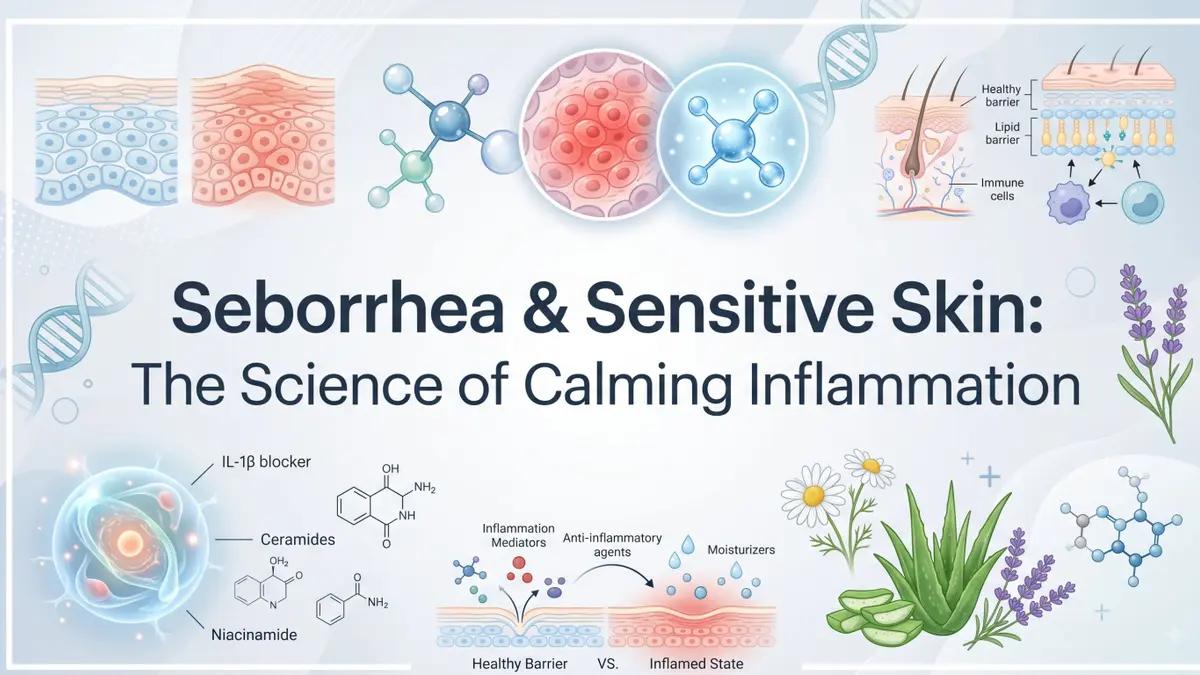
Seborrhea & Sensitive Skin: The Science of Calming Inflammation
Calming the Flame: The Science Behind Seborrhea, Inflammation, and Sensitive Skin
For anyone suffering from sensitive, reactive skin or seborrheic dermatitis, a daily skincare routine can feel like navigating a minefield. Sudden burning sensations, itching, flaking around the T-zone (nose, eyebrows, chin), and persistent redness are not merely aesthetic concerns—they directly compromise quality of life and self-confidence.
When people search for "seborrhea treatment for face" or "how to calm red skin," they are often bombarded with conflicting advice: heavy steroid creams that thin the skin over time, or greasy ointments that worsen inflammation.
Over 25 years of formulating in the laboratory, I learned that seborrheic or inflamed skin is not "diseased" skin that requires aggressive attack. It is a skin canvas experiencing severe physiological stress and a compromised epidermal barrier. In this article, we will deconstruct the science behind seborrhea and redness, and explore how a molecular calming envelope restores physiological peace and balance.
What Occurs in Seborrheic and Inflamed Skin?
Seborrheic dermatitis and acute skin reactivity stem from a combination of three physiological drivers:
Hyper-Secretion of Altered Sebum: Sebaceous glands produce excess oil, but its chemical composition is deficient in essential barrier fatty acids.
Malassezia Yeast Proliferation: This fungus naturally resides on human skin, but in seborrheic conditions, it feeds on excess sebum, breaking it down into irritating free fatty acids that trigger an inflammatory immune response.
Epidermal Barrier Collapse & Elevated pH: Chronic micro-inflammation destroys the protective acid mantle. Skin pH rises to an alkaline state, lipid structures collapse, and water evaporates rapidly—creating the classic paradox of skin that is oily on the surface yet severely dehydrated and flaking underneath.
The Molecular Approach: Soothing, pH Balance, and Ceramide Repair
To break the seborrheic cycle, advanced molecular formulas do not strip the skin; instead, they deploy a three-tiered calming protocol:
Restoring Acidic pH (~5.5): Lowering skin pH back to its optimal acidic state naturally suppresses Malassezia yeast overgrowth without harsh chemical fungicides.
Molecular Soothing Actives: Infusing bio-identical molecules such as Allantoin, purified Aloe Vera, Niacinamide (Vitamin B3), and anti-inflammatory botanicals. These actives instantly downregulate pro-inflammatory cytokines, extinguishing burning and redness.
Lipid Barrier Reconstruction via Ceramides: Supplying skin-identical ceramides and light, cold-pressed botanical lipids (such as Jojoba oil, which chemically mimics healthy sebum). These rebuild the intercellular "cement," trapping moisture and eliminating surface flaking.
The Seborrhea & Sensitivity Layering Protocol
Gentle Physiological Cleansing: Washing with a low-foaming, pH-balanced cleanser that respects barrier lipids.
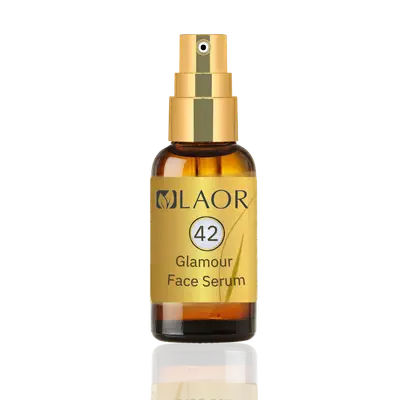
Soothing Molecular Serum (Light Texture): Applying a molecular serum packed with Niacinamide, tri-molecular hyaluronic acid, and soothing peptides.
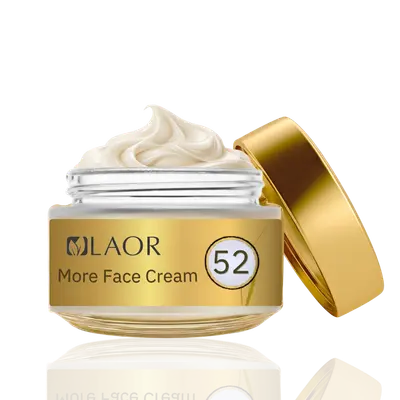
Barrier Fortification: Layering a light, lipid-replenishing moisturizer that balances sebum, inhibits yeast overgrowth, and seals the skin in a protected, comfortable envelope.