JOURNAL
The Skin Microbiome: The Science of Beneficial Bacteria & Barrier Health | LAOR Care
The Skin Microbiome: The Science Behind the Good Bacteria Protecting Your Skin
For decades, the traditional cosmetics industry conditioned us to view bacteria as "enemies" that must be systematically eliminated. Harsh alkaline soaps, antibacterial washes, and aggressive chemical peels were marketed under the promise of leaving the skin entirely "sterile." However, in the realm of modern dermatology and advanced molecular engineering, this concept has been turned completely upside down.
Today, we understand that sterility is the ultimate enemy of healthy skin.
The skin’s surface is not an inert canvas; it is a living, breathing, and dynamic ecosystem populated by trillions of microscopic organisms—friendly bacteria, fungi, and viruses—collectively known as the Skin Microbiome. Over 25 years of formulating in the laboratory, I observed that disrupting this delicate microbial balance is the hidden root cause behind most modern skin afflictions: from acne and seborrhea to chronic redness, barrier hypersensitivity, and premature aging. In this article, we will deconstruct the science behind the microbiome and explore how to preserve the beneficial bacteria protecting your skin architecture.
What Is the Skin Microbiome and How Does It Function?
The microbiome serves as the body’s very first physiological line of defense. Just as our digestive system relies on a healthy gut flora to digest nutrients and sustain immunity, our skin requires this living biological envelope to maintain harmony.
The beneficial bacteria inhabiting our skin perform four vital clinical functions:
Pathogen Defense: Friendly bacteria occupy valuable "real estate" on the stratum corneum, secreting natural antimicrobial compounds (bacteriocins) that actively prevent opportunistic pathogens (such as Staphylococcus aureus or aggressive Cutibacterium acnes) from colonizing and triggering inflammation.
Maintaining the Acid Mantle: Beneficial microbes metabolize natural skin lipids and sebum, converting them into free fatty acids. This process maintains an optimal, slightly acidic skin pH (around 4.7–5.5)—creating an ideal sanctuary for good bacteria while proving lethal to harmful pathogens.
Immune System Cross-Talk: The microbiome continuously exchanges chemical signals with immune cells residing beneath the epidermis, training them to distinguish between benign topical compounds and genuine threats. A balanced microbiome prevents hyper-reactive inflammatory responses and allergies.
Epidermal Barrier Reinforcement: Good bacteria stimulate keratinocytes to synthesize ceramides and structural proteins (like filaggrin), strengthening the intercellular matrix and preventing transepidermal water loss (TEWL).
What Damages the Microbiome? (Sensitized Skin Syndrome)
A primary hazard of modern skincare is overly aggressive routines. When we cleanse with high-pH alkaline soaps, apply drying alcohols, introduce synthetic fragrances, or over-exfoliate with extreme acid percentages without restorative replenishment—we essentially spray a biological broad-spectrum pesticide over the skin’s delicate ecosystem.
The clinical consequence is Dysbiosis—the collapse of microbial equilibrium. When beneficial bacteria are depleted, the epidermal barrier is breached. The skin becomes highly permeable to environmental toxins, loses water rapidly, and experiences chronic redness, severe dehydration, burning sensations, and sudden inflammatory flare-ups.
The Molecular Approach: Nourishing and Fortifying Beneficial Bacteria
To preserve the microbiome and empower it to defend the skin, molecular formulations do not attack the skin; instead, they cultivate its biological environment using three core pillars:
1. pH-Balanced Physiological Cleansing
Utilizing gentle cleansing agents derived from amino acids and plant sugars that preserve the skin’s natural acid mantle (pH ~5.5) without stripping essential barrier lipids.
2. Prebiotics—Fueling Good Bacteria
Prebiotics are specialized complex sugars and plant fibers (such as inulin and oligosaccharides) molecularly extracted from botanical sources. Opportunistic pathogens cannot metabolize these specific sugars, whereas beneficial bacteria utilize them as an immediate energy source to thrive and dominate the skin flora.
3. Postbiotics & Recovery Nutrients
Supplying the beneficial bio-products that good bacteria naturally produce (such as bio-identical lactic acid, enzymes, and B-complex vitamins). These postbiotics instantly calm existing micro-inflammation, fortify the lipid barrier, and accelerate tissue recovery.
Integrating Microbiome Health into the Layering Methodology (LayerSystem7)
To optimize microbiome health alongside advanced anti-aging efficacy, adopt a physiological layering protocol:
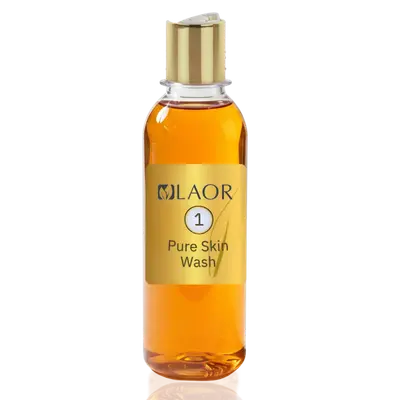
Physiological Cleansing Step: Gentle morning and evening cleansing that respects the microbiome, leaving the skin calm, balanced, and hydrated.
Molecular & Prebiotic Infusion (Serums): Applying light molecular serums packed with prebiotic complexes, tri-molecular hyaluronic acid, and signal peptides. This layer feeds beneficial surface bacteria while penetrating deep into the dermis to stimulate structural collagen.
Lipid Shielding Step (Nourishing Creams): Layering a rich moisturizer formulated with cold-pressed botanical oils and skin-identical ceramides. This locks in moisture and creates a protected habitat for the microbiome against urban pollution and environmental stressors.
Conclusion
The skin microbiome is not a marketing term; it is your most loyal biological partner in skin health. When you stop fighting your skin with aggressive chemicals and provide beneficial bacteria with the precise acidic environment and prebiotic nutrition they require—your skin responds with physiological tranquility, a natural radiance, and remarkable resilience against the test of time.
Respect your trans-epidermal ecosystem, and grant it the precise, gentle, and molecular care it truly deserves.